


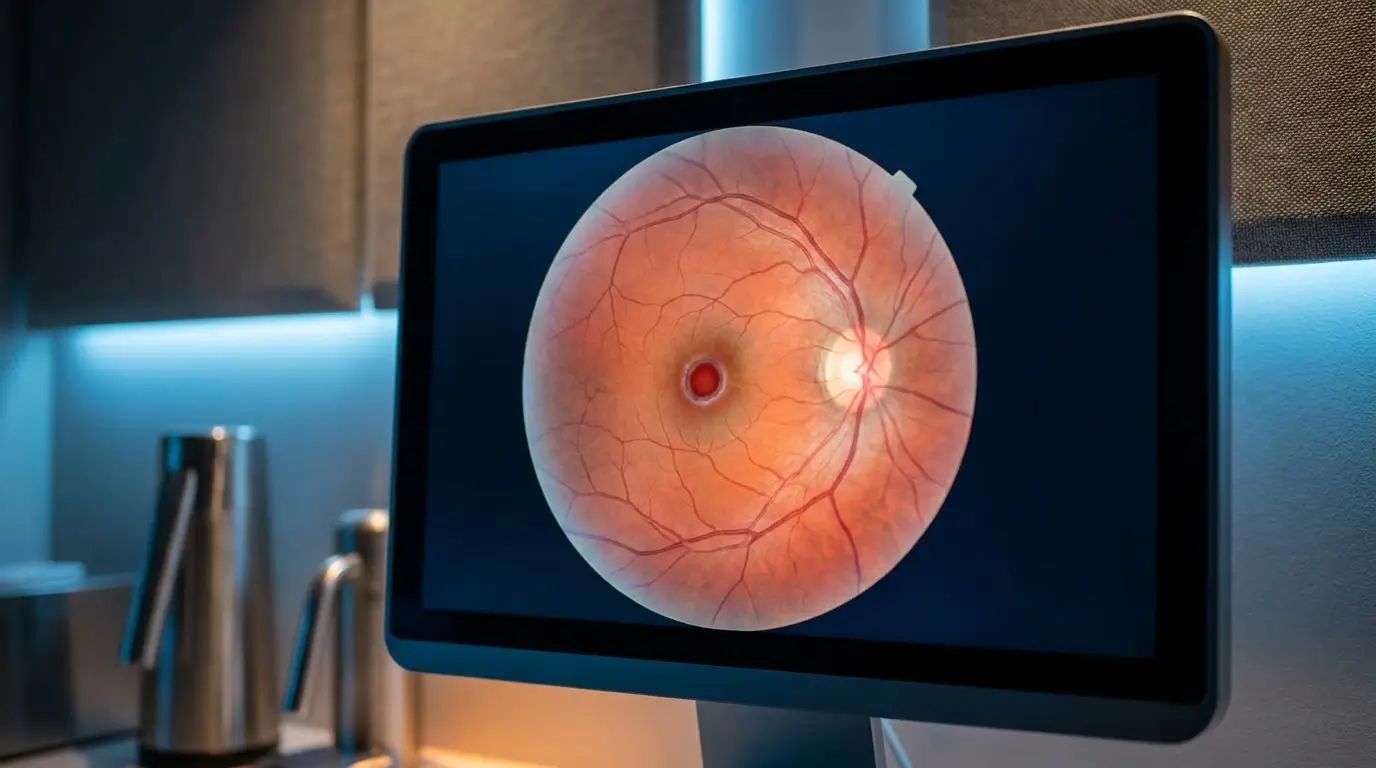
Overview
A macular hole is a small break in the central part of the retina, the area that gives you sharp, detailed sight. It causes blurred or distorted central vision. The good news is that it can usually be repaired with an operation. This guide explains what a macular hole is, how it differs from age related macular degeneration (AMD), how the surgery works and what recovery is like.

Dr Bobby Cheng
Senior Consultant Ophthalmologist & Retina Specialist
With extensive fellowship training and decades of clinical experience, Dr Bobby Cheng specialises in complex vitreoretinal surgeries, macular hole repairs, and comprehensive eye care at Cornerstone Eye & Retina Centre in Singapore.
Introduction
Straight lines, such as door frames or the edge of a table, looking bent or broken is a common experience for older adults. This kind of distortion (called metamorphopsia) often points to a macular hole rather than ordinary aging.
A macular hole needs a prompt check by an eye specialist. Left alone it can lead to permanent loss of central vision. Getting seen early is the most important step you can take to protect your sight.
What Is a Macular Hole?
The macula is the small central part of the retina at the back of the eye. It gives you the sharp, detailed vision you need to read fine print, recognise faces and drive safely. A macular hole is a small break in this delicate tissue.
Most macular holes form as a natural part of aging. The clear jelly inside the eye (called the vitreous) slowly shrinks and pulls away from the retina. If it stays firmly stuck to the macula as it pulls away, it tugs on the centre of the retina. Over time this pull can create a small hole, blurring your central sight.
Macular Hole or AMD? Knowing the Difference
Many people mix up a macular hole with age related macular degeneration (AMD), as both affect central vision. But they are quite different and are treated in different ways.
AMD is a slow wearing down of the macula, or the growth of leaky blood vessels beneath it. A macular hole is a physical break, caused by the jelly pulling on the retina. AMD is usually managed with monitoring or eye injections. A macular hole needs surgery.
Symptoms and How It Is Diagnosed
Spotting the early signs can help protect your sight. The most common symptom is distortion of central vision, where straight lines look wavy or bent. You may also notice a small grey patch or blind spot right in the middle of your sight.
Dr Bobby Cheng diagnoses a macular hole using a scan called OCT. This is a gentle, painless scan that takes detailed, layer by layer pictures of the retina. It shows the exact size and depth of the hole. This helps plan the surgery and gives a good idea of the likely outcome.
The Operation: Vitrectomy
The standard treatment for a macular hole is an operation called a vitrectomy. It is done as day surgery, so you go home the same day.
During the operation:
- The jelly pulling on the macula is gently removed. This eases the tension on the centre of the retina.
- A very thin layer on the surface of the retina (called the inner limiting membrane) is carefully peeled away. This helps the edges of the hole relax and close.
- A gas bubble is placed in the eye. It presses gently on the macula to hold the tissue in place while it heals.
After Surgery: Face-Down Positioning
Positioning your head correctly after surgery is very important. Because gas rises, you need to keep your head facing down. This lets the bubble press right against the hole at the back of the eye.
Many patients purchase our support pillow to stay comfortable at home. You will usually need to hold this position for several days. The exact time depends on the size and stage of the hole.
⚠️ Very important: Do not fly or travel to high places while the gas bubble is still in your eye. The change in air pressure can make the bubble swell and cause a dangerous rise in eye pressure. Wait until the doctor tells you it is safe.
Recovery and What to Expect
Recovery is gradual. The gas bubble slowly dissolves on its own over several weeks, and your eye makes its own fluid to replace it. During the first few weeks your sight in that eye will be very blurry, often like looking through water. This is normal.
As the bubble shrinks, you will start to regain your central vision. Most people notice a meaningful improvement within three to six months. How much sight returns depends a lot on how long the hole was there before surgery. This is why getting seen early matters so much.
Your Path to Clearer Vision
Changes to your central vision can feel unsettling. The good news is that modern surgery is very effective at repairing a macular hole. Acting quickly and getting checked early gives you the best chance of protecting your sight.
Take Action to Save Your Central Vision
👉 If you or a family member notices distortion or a blur in your central vision, book a consultation with Dr Bobby Cheng today.
Frequently Asked Questions
How do I know if I have a macular hole or wet AMD?
Only an eye examination can tell for sure. Both cause central distortion, but a macular hole is a physical break in the retina, while wet AMD is caused by leaky blood vessels. An OCT scan shows the difference clearly, so Dr Bobby Cheng can confirm the diagnosis and advise the right treatment.
Is the surgery painful?
No. The operation is done with sedation, so you feel no pain. Afterwards any soreness is usually mild and eased with eye drops and simple painkillers. For most people the hardest part is holding the face down position while the eye heals.
Can I fly after the surgery?
No, not while the gas bubble is still in your eye. The change in air pressure can make the bubble swell and cause serious harm. You can only fly once Dr Bobby Cheng confirms the bubble has fully gone.
What happens if a macular hole is left untreated?
It usually causes permanent loss of central vision. You will not go fully blind, as your side vision stays, but the blind spot in the centre grows over time. This makes reading, driving and recognising faces harder. Treating it early gives a better chance of closing the hole.
Will MediSave or insurance help pay for it?
Yes. Macular hole surgery is a medically necessary procedure in Singapore. It can usually be claimed through MediSave. Most Integrated Shield Plans and company insurance also cover the scans and the operation. Our clinic team can check your coverage and help with the claim.