


Clearer Vision, Renewed Confidence
Cataract Surgery in Singapore

Medically reviewed by Dr Bobby Cheng
Senior Consultant Ophthalmologist
MBBS (Singapore) | MMed (Ophthalmology, Gold Medal) | FRCS (Edinburgh) | FAMS
What Are Cataracts?
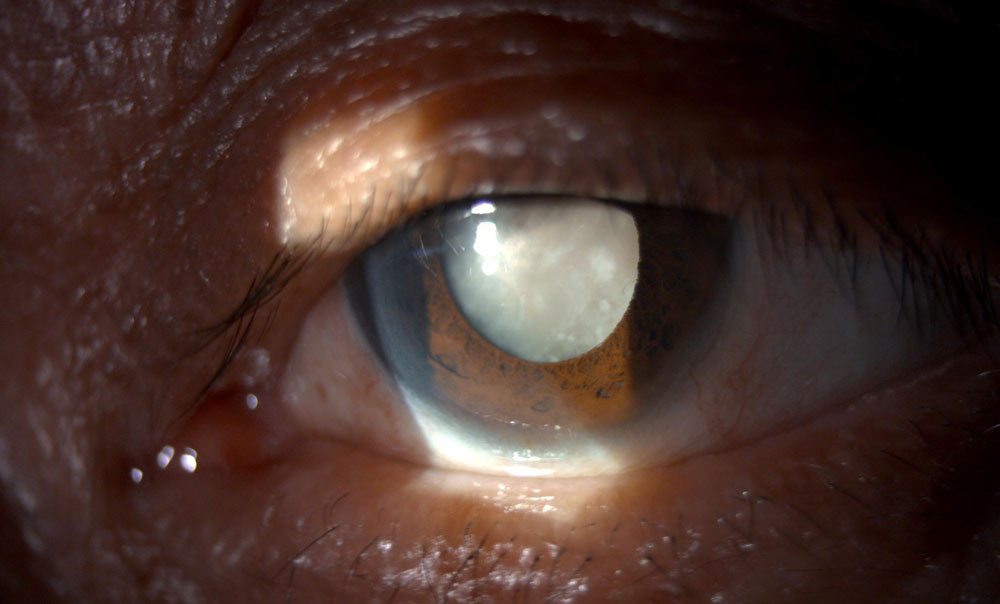
A cataract develops when the normally transparent lens of the eye becomes cloudy, preventing light from focusing properly on the retina and causing vision to appear blurred, dim, or distorted. While ageing is the most common cause, cataracts can also develop due to eye injuries, diabetes, long-term use of certain medications such as steroids, excessive sun exposure, or smoking.
Over time, the clouding tends to worsen progressively. When it begins to interfere with daily activities such as reading, driving, or recognising faces, Dr Bobby Cheng may recommend cataract surgery to restore clarity of vision.
Am I a Candidate for Cataract Surgery?
Cataract surgery may be appropriate if any of the following apply to you:
- Blurred or cloudy vision that interferes with everyday activities such as work, reading, or driving.
- Glare or haloes around lights that make night driving uncomfortable or unsafe.
- Frequent changes to your glasses prescription, yet vision remains unclear or unsatisfactory.
- Colours appearing faded or yellowed in a way that affects daily functioning.
- Significant cataracts identified during a clinical eye examination.
Overall eye health — including the condition of the retina, cornea, and optic nerve — as well as general medical fitness will also be taken into account when assessing suitability for surgery. A personalised consultation with Dr Bobby Cheng will help determine the most appropriate timing and surgical approach for your individual needs.
Symptoms of Cataracts
Cataracts often develop gradually, and symptoms may be subtle in the early stages. As the lens becomes cloudier over time, patients may notice:
Cloudy, blurred, or dim vision
A general reduction in visual clarity that worsens progressively.
Glare or haloes around lights
Particularly noticeable at night, making driving more challenging and uncomfortable.
Difficulty seeing in bright sunlight
Increased light sensitivity, sometimes described as a washed-out or dazzling effect.
Faded or yellowed colours
Colours may appear less vivid or take on a yellowish tint as the lens discolouration progresses.
Double vision in one eye
A ghosting or doubling of images when viewing with the affected eye alone.
Frequent changes in glasses prescription
Rapidly shifting vision that requires repeated updates to spectacle or contact lens prescriptions.
How Are Cataracts Diagnosed?
At our clinic, we diagnose cataracts through a comprehensive eye examination, assessing both the extent of lens clouding and the overall health of the eye. This typically includes:
Measures how clearly and sharply you can see at various distances, establishing the functional impact of the cataract on your vision.
A detailed examination of the lens under magnification, allowing Dr Bobby Cheng to assess the location, density, and extent of the clouding.
Evaluates the health of the retina and optic nerve to ensure no other underlying conditions are contributing to vision loss.
Further tests may be arranged if other eye conditions are suspected or if surgical planning requires more detailed information.
Cataracts are common but treatable. With timely cataract surgery in Singapore, many patients regain clearer vision and improved quality of life.
Don't delay an eye check if you are experiencing vision changes. We provide personalised care for patients seeking cataract surgery in Singapore, with support from diagnosis through to recovery.
Cataract Surgery: What to Expect
Cataract surgery is one of the most commonly performed surgical procedures in ophthalmology — and among the most effective. It is done as a day surgery under local anaesthetic eye drops and mild sedation, so patients are comfortable throughout the surgery, and home on the same day. Most patients resume their normal daily activities within days of the procedure.
Topical anaesthetic eye drops are applied to thoroughly numb the surface of the eye, ensuring patient comfort throughout the procedure. A small eyelid speculum is gently positioned to keep the eye open. No general anaesthesia is required — patients remain fully awake and relaxed throughout.
A micro-incision is made at the edge of the cornea — typically less than 3mm in size. A fine probe emitting ultrasound energy is introduced through this incision to break the cloudy cataract lens into tiny fragments, which are then aspirated from the eye using gentle suction. Phacoemulsification is the gold standard technique for cataract removal, offering precise, controlled lens extraction with minimal trauma to the surrounding eye tissue.
With the cataract removed, a foldable artificial intraocular lens (IOL) is carefully inserted through the same micro-incision. Once inside the eye, the IOL unfolds and is positioned securely within the capsular bag — the natural pocket that previously held the eye’s lens. The IOL is designed to remain permanently in place and restore clear, focused vision. A range of IOL options are available, including monofocal, extended depth of focus, and multifocal lenses, depending on your visual needs and lifestyle.
The micro-incision is self-sealing and does not typically require sutures, as the natural architecture of the cornea allows it to close securely on its own. A protective eye shield may be placed over the eye immediately after the procedure to support safe initial healing.
Most patients notice a meaningful improvement in vision within the first few days following surgery, though complete visual stabilisation may take several weeks as the eye adjusts to the new lens. Prescribed antibiotic and anti-inflammatory eye drops are an essential part of the post-operative regimen, protecting against infection and supporting healing during the recovery period.
Intraocular Lens (IOL) Options
When the cloudy natural lens is removed during cataract surgery, it is replaced with an artificial intraocular lens (IOL) that remains permanently in the eye. Selecting the most appropriate IOL is a key component of surgical planning — the choice of lens will determine the quality and range of your vision after the procedure, as well as your likely dependence on glasses for different tasks.
Monofocal lenses provide clear vision at a single distance — most commonly set for distance vision. Patients may still require reading glasses for near tasks such as reading or using a computer. They are a reliable and widely used option with a well-established track record.
These lenses are designed with multiple focusing zones or a continuous range of focus, reducing dependence on glasses for both near and distance activities. While many patients appreciate the greater spectacle independence they offer, some may notice haloes or glare around lights — particularly at night.
For patients with astigmatism, toric lenses correct the uneven curvature of the cornea at the same time as replacing the cataract. This can help achieve sharper, clearer vision without the need for additional corrective lenses to address astigmatism after surgery.
Dr Bobby Cheng and his team will conduct a thorough assessment of your eye health, refractive profile, and lifestyle requirements to guide the IOL selection process and help determine which lens option is best suited to your visual goals.
Recovery and Aftercare
Most patients notice a meaningful improvement in vision within the first few days following cataract surgery. Full visual stabilisation typically takes a few weeks as the eye adjusts to the new intraocular lens.
Post-operative aftercare includes:
Antibiotic and anti-inflammatory drops should be used as directed to prevent infection and support healing during the recovery period.
Strenuous activity, heavy lifting, and activities that risk water entering the eye should be avoided for the first week following surgery.
Scheduled post-operative reviews with Dr Bobby Cheng are important to monitor healing, assess visual recovery, and ensure the eye is responding well to surgery.
Benefits of Cataract Surgery
Cataract surgery is one of the most transformative procedures in ophthalmology — and its benefits extend well beyond simply improving vision. For many patients, it represents a meaningful restoration of independence, safety, and quality of life.
Colours appear brighter and details sharper, making everyday tasks such as reading, driving, and recognising faces easier and more comfortable.
Regaining functional vision often allows patients to return to hobbies, work, and social activities with greater ease and confidence.
Many patients experience a noticeable reduction in glare and light scatter when driving at night or in bright sunlight.
Clearer vision reduces the risk of falls, accidents, and other hazards associated with poor sight — particularly important for older patients.
In patients with anatomically narrow drainage angles, removing the lens can reduce intraocular pressure and lower the risk of angle closure glaucoma — an additional health benefit beyond vision restoration.
Frequently Asked Questions About Cataract Surgery
No. The procedure is performed under local anaesthetic eye drops which numb the surface of the eye thoroughly and mild sedative to make patients comfortable before surgery begins. Patients may feel a mild sensation of pressure during the procedure but do not experience pain. Any post-operative discomfort is generally mild and short-lived.
The procedure itself typically takes less than 30 minutes. As a day surgery, patients are able to return home the same day without the need for an overnight hospital stay.
This depends on the type of intraocular lens (IOL) selected and your individual eye condition. Patients who choose a monofocal lens may still require reading glasses for near tasks. Those who opt for a multifocal, EDOF, or toric lens may enjoy greater spectacle independence — though some degree of glasses use for specific tasks cannot always be ruled out. Dr Bobby Cheng will discuss realistic expectations based on your chosen lens and visual goals during your consultation.
Surgery is typically considered when cataracts begin to meaningfully affect your daily life — such as difficulty with reading, driving, recognising faces, or performing work-related tasks. If blurred vision, glare, or reduced clarity is interfering with your quality of life, a consultation with Dr Bobby Cheng is a good first step to assess whether surgery is appropriate and timely.