


Protecting Your Vision When Blood Vessels Are Blocked
Retinal Vein Occlusions Treatment in Singapore

Medically reviewed by Dr Bobby Cheng
Senior Consultant Ophthalmologist
MBBS (Singapore) | MMed (Ophthalmology, Gold Medal) | FRCS (Edinburgh) | FAMS
What is Retinal Vein Occlusion?
The retina is a delicate, light-sensitive layer of tissue lining the back of the eye. It is responsible for capturing visual information and transmitting it as signals to the brain — a process that depends on a healthy and unobstructed network of blood vessels supplying oxygen and nutrients to the retinal cells.
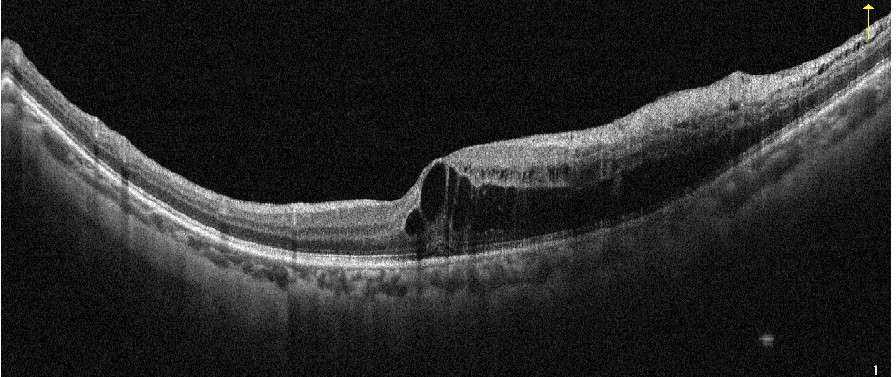
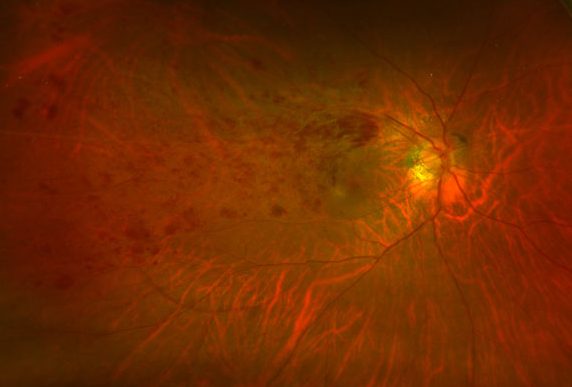
Retinal vein occlusion occurs when one of the veins draining blood away from the retina becomes partially or completely blocked. This blockage — most commonly caused by blood clot formation or damage to the vessel wall — prevents normal blood flow and causes a back-pressure effect. Blood and fluid begin to leak into the surrounding retinal tissue, resulting in macular oedema — swelling of the central retina that directly impairs vision. In severe or prolonged cases, the reduced oxygen supply to the retina can stimulate the growth of abnormal new blood vessels (neovascularisation), which carry a risk of bleeding and further complications.
There are two main types of retinal vein occlusion:
- Branch Retinal Vein Occlusion (BRVO) — A smaller branch vein becomes blocked, affecting a specific segment of the retina. Vision loss is typically localised to the area supplied by the obstructed vessel and can range from mild blurring to a more noticeable visual field defect.
- Central Retinal Vein Occlusion (CRVO) — The main central retinal vein is obstructed, impairing drainage from the entire retina. CRVO is generally associated with more widespread retinal involvement and a greater impact on overall vision, and may carry a higher risk of complications if not promptly managed.
Causes and Risk Factors of Retinal Vein Occlusion
Retinal vein occlusion is most commonly associated with underlying systemic or vascular health conditions that affect the integrity and flow of blood within the retinal vessels. Key risk factors include:
- Age — RVO is significantly more common in adults over the age of 50, as blood vessels naturally become less flexible and more susceptible to blockage with age.
- High Blood Pressure (Hypertension) — Elevated blood pressure places increased stress on retinal vessel walls, making them more vulnerable to damage and occlusion.
- Diabetes — Diabetes affects the health of small blood vessels throughout the body, including those in the retina, increasing the risk of clot formation and vascular compromise.
- High Cholesterol — Raised lipid levels can contribute to plaque build-up and reduced blood flow within the retinal vasculature.
- Glaucoma — Elevated intraocular pressure associated with glaucoma can impair venous drainage from the retina, increasing susceptibility to occlusion.
- Blood Clotting Disorders — Conditions that affect the blood’s ability to clot normally can predispose individuals to thrombosis within the retinal veins.
Proactively managing these risk factors — through medication, lifestyle modification, and regular health monitoring — plays a vital role in reducing the risk of retinal vein occlusion and supporting long-term eye and vascular health.
Symptoms of Retinal Vein Occlusion
Retinal vein occlusion may develop suddenly or progress gradually, and symptoms can vary in severity depending on which vein is affected and the extent of the blockage. Common signs include:
Blurred or dim vision
A reduction in visual clarity is often the earliest and most noticeable symptom. This may affect central vision, peripheral vision, or a specific region of the visual field depending on which vein is involved.
Sudden or partial vision loss
In central retinal vein occlusion (CRVO), vision loss can be more abrupt and widespread. In branch retinal vein occlusion (BRVO), a portion of the visual field may become obscured or lost.
Dark spots or patches in vision
Retinal haemorrhage and fluid leakage can create dark, shadow-like areas or blind spots that interfere with everyday tasks such as reading and driving.
Distortion of central vision
Macular oedema — swelling of the central retina caused by fluid accumulation — can cause straight lines to appear wavy or distorted, a symptom known as metamorphopsia. This may significantly affect the ability to perform tasks requiring fine visual detail.
Retinal vein occlusion is a serious eye condition that requires timely care to prevent vision loss.
If you experience sudden changes in sight, do not delay an eye check. We provide personalised care for patients seeking retinal vein occlusions treatment in Singapore, with support across all stages of the condition.
Treatment Options for Retinal Vein Occlusions
Although the underlying blockage in a retinal vein cannot be surgically cleared, contemporary treatment for retinal vein occlusion is highly effective at managing its consequences. The primary goals are to reduce macular oedema, prevent abnormal blood vessel growth, and preserve as much vision as possible. Treatment is tailored to the type of occlusion — BRVO or CRVO — the presence and severity of macular swelling, and the risk of sight-threatening neovascular complications.
Intravitreal injections are the cornerstone of retinal vein occlusion treatment. Medication is delivered directly into the vitreous cavity of the eye under anaesthetic eye drops — a procedure that is well tolerated and performed in the clinic.
- Anti-VEGF Therapy (Eylea, Vabysmo, Lucentis) — Anti-VEGF agents target and block vascular endothelial growth factor, the protein that drives abnormal vessel permeability and fluid leakage into the retina. By reducing this leakage, these medications effectively decrease macular oedema and have been shown to significantly improve visual acuity in patients with RVO-related macular swelling.
- Steroid Implants (Ozurdex) — For patients with persistent macular oedema, significant intraocular inflammation, or an inadequate response to anti-VEGF therapy, a biodegradable steroid implant such as Ozurdex may be recommended. Inserted into the eye in a single procedure, it releases medication gradually over several months, providing sustained control of swelling with reduced injection frequency.
Treatment typically begins with a loading phase of monthly injections, after which Dr Bobby Cheng will adopt a personalised treat-and-extend schedule — gradually spacing injections as the condition responds, while maintaining close monitoring to detect any recurrence early.
Laser therapy plays an important complementary role in the management of retinal vein occlusion and may be recommended alongside intravitreal injections in the following scenarios:
- Focal Laser — Targeted laser treatment applied to areas of leaking blood vessels in branch retinal vein occlusion (BRVO), helping to reduce localised fluid accumulation and stabilise the affected retinal area.
- Panretinal Photocoagulation (PRP) — When neovascularisation — the growth of fragile, abnormal new blood vessels — is detected, panretinal laser is applied to the peripheral retina to suppress further growth and reduce the risk of vision-threatening complications, including vitreous haemorrhage and neovascular glaucoma.
In many cases, a combination of intravitreal injections and laser treatment provides the most effective and durable approach to managing retinal vein occlusion over the long term.
In severe or complicated cases where vitreous haemorrhage — bleeding into the eye — or retinal detachment has developed, vitrectomy surgery may be recommended. The procedure involves removing the vitreous gel from inside the eye to clear the blood and allow laser treatment to be applied directly to the retina. While less commonly required than intravitreal injections or laser therapy, vitrectomy can be an effective option for restoring or stabilising vision in advanced cases.
Because retinal vein occlusion is closely linked to underlying systemic health conditions, managing overall health is an essential part of treatment — both to support recovery and to reduce the risk of recurrence. This includes:
- Controlling high blood pressure, diabetes, and cholesterol through medication and regular monitoring
- Maintaining a healthy lifestyle with a balanced diet and regular physical activity
- Avoiding smoking, which significantly increases vascular risk and can worsen retinal circulation
Dr Bobby Cheng may work in collaboration with your family physician or relevant specialists to optimise these health factors alongside your ongoing eye treatment.
Retinal vein occlusion requires long-term monitoring even after treatment has begun. Regular OCT scans and clinical eye examinations allow Dr Bobby Cheng to assess macular swelling, evaluate your response to injections, and detect the early development of abnormal new blood vessels. Consistent follow-up is essential, as the condition can recur or — in some cases — develop in the fellow eye.
Prognosis: What to Expect
The visual outlook for patients with retinal vein occlusion varies depending on the type and severity of the blockage and, critically, how quickly treatment begins.
When diagnosed and treated promptly, many patients stabilise their vision, and some experience significant improvement as macular swelling is controlled. Regular injections and consistent follow-up care are essential to maintaining these vision gains.
Vision often deteriorates over time due to persistent macular oedema, abnormal blood vessel growth, and potential complications such as glaucoma or retinal detachment. In severe cases, this can result in irreversible vision loss.
Even after the eye has stabilised, ongoing monitoring and control of underlying health conditions — such as blood pressure and diabetes — remain crucial to reduce the risk of recurrence in the treated eye or involvement of the other eye.
Frequently Asked Questions About Retinal Vein Occlusion
Retinal vein occlusion is not curable in the sense that the blocked vein cannot be surgically opened or the clot directly removed with current medical technology. However, treatments are highly effective at managing the consequences of the blockage — reducing macular oedema, suppressing abnormal neovascularisation, and preserving or improving vision. Many patients achieve excellent functional outcomes with prompt and consistent care.
Visual recovery varies significantly depending on factors such as the type of occlusion (BRVO or CRVO), the severity of macular involvement, the duration of the blockage before treatment, and individual healing capacity. Some patients experience substantial improvement in visual acuity as macular swelling resolves. Others may retain some degree of visual impairment, particularly if the macula was severely or densely involved at presentation. Your eye specialist can provide a more detailed prognosis based on your clinical findings.
Injection frequency is individualised based on your eye’s response to treatment. A typical regimen begins with a loading phase of monthly injections to rapidly control macular oedema and establish disease stability. Once your eye is stable — usually after 2-3 months of monthly treatment — your specialist will transition to a treat-and-extend protocol, gradually spacing injections further apart (6, 8, or 10 weeks, for example) while maintaining close OCT monitoring. Some patients eventually achieve longer intervals or may discontinue injections if complete resolution occurs, though ongoing surveillance remains essential.
Yes. Retinal vein occlusion can recur in the same eye that was previously affected — a phenomenon known as reocclusion. Additionally, approximately 15-20% of patients experience a new retinal vein occlusion in the fellow eye within five years of the first event. The risk is significantly higher in patients whose systemic risk factors — such as high blood pressure, diabetes, high cholesterol, or blood clotting disorders — remain poorly controlled. This underscores the critical importance of ongoing systemic health management alongside regular eye monitoring as part of long-term RVO care.