


Overview
A retinal tear is an urgent eye problem. If it is not treated it can lead to a retinal detachment and permanent sight loss. The good news is that a tear can usually be sealed quickly in the clinic. This is done with a laser (called laser photocoagulation) or a freezing treatment (called cryotherapy). Many people worry about pain and recovery. This guide explains the warning signs, the steps of the procedure, whether it hurts and how to look after your eye afterwards.

Dr Bobby Cheng
Senior Consultant Ophthalmologist & Retina Specialist
With over 20 years of clinical experience, Dr Bobby Cheng specialises in complex vitreoretinal surgeries, retinal tear laser treatments, and comprehensive eye care at Cornerstone Eye & Retina Centre in Singapore.
Introduction
Seeing sudden dark spots or bright flashes of light can be very worrying. Getting help early is important. It seals the delicate lining at the back of the eye before fluid can leak under it. That leaking is what causes a full detachment.
Think of the retina like the sensor in a camera. It turns light into pictures for the brain. As we age, the clear jelly inside the eye (called the vitreous) can pull away and tug on the retina. If it tugs hard enough it can make a tear.
In Singapore, high rates of short sightedness (myopia) and an aging population make retinal checks especially important. Many people ignore small floaters until things get worse. Seeing an eye specialist early means a tear can be checked and sealed as a simple clinic procedure.
Early Warning Signs of a Retinal Tear
A retinal tear does not cause pain, because the retina has no pain nerves. So you must watch for visual warning signs instead:
- Sudden floaters - Specks, cobwebs or dark lines drifting across your sight. These can be tiny bits of debris or drops of blood.
- Flashes of light - Brief sparks or flashes at the edge of your vision. They are easier to notice in dim light or when you move your eyes.
- A shadow or dark curtain - A dark veil coming in from the side, top or bottom of your vision. This can mean fluid is already leaking through the tear.
If you notice a sudden burst of floaters with flashes of light, see an eye doctor quickly. Early treatment stops a small tear becoming a bigger emergency.
Does Laser Treatment Hurt?
This is one of the most common questions. The laser (laser photocoagulation) is a quick and gentle procedure.
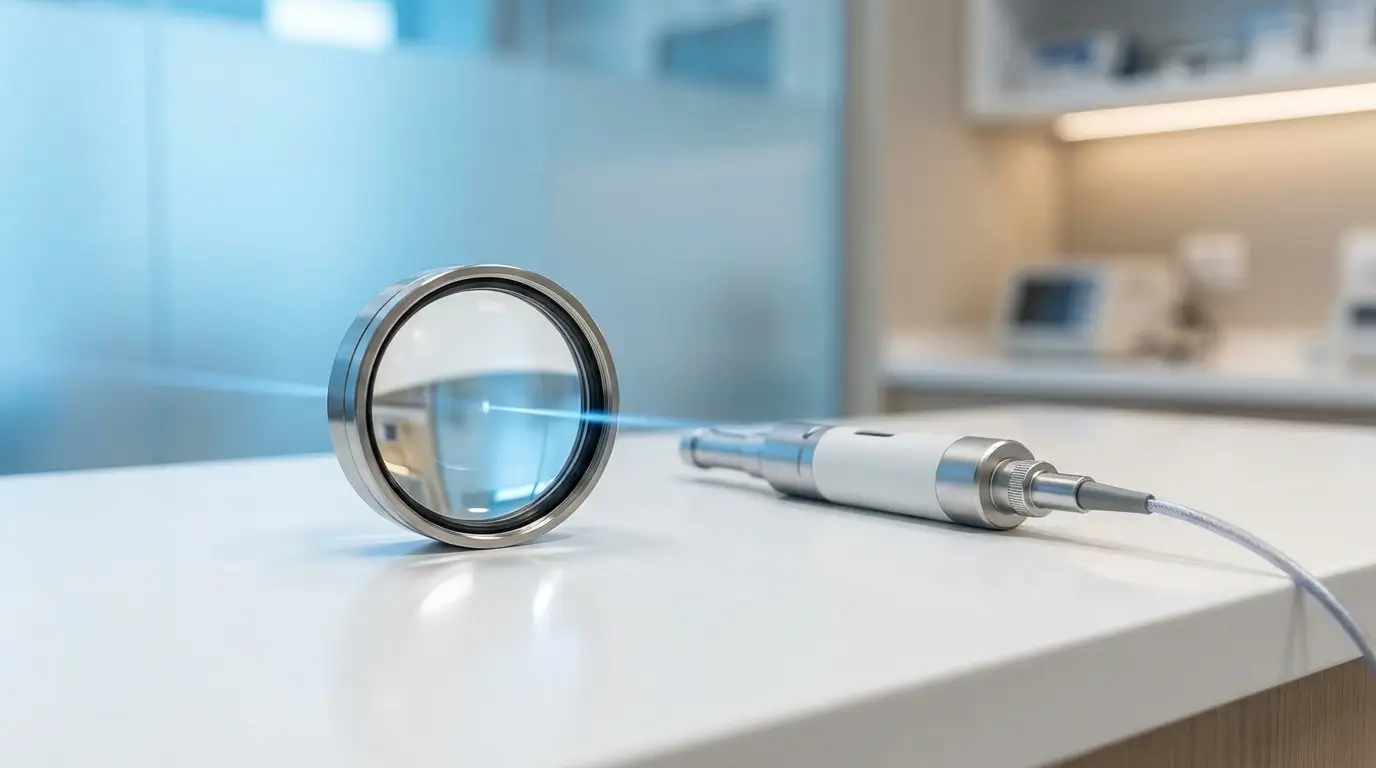
Numbing eye drops are put in first, so the surface of the eye is fully numb. A special lens is gently rested on the eye to hold it still and focus the laser. As the laser is given, most people feel mild pressure or brief warmth rather than sharp pain. Some feel a dull ache behind the eye, or notice bright flashes during the treatment.
For most people the discomfort is small and easy to manage. If you feel anxious or sensitive, just tell your doctor. They can lower the laser strength or pause for a moment.
What Happens During Laser Treatment: Step by Step
Knowing what to expect helps ease any nerves.
- Widening the pupil - Dilating eye drops are put in to open the pupil. This gives the specialist a clear view of the retina.
- Numbing the eye - Anaesthetic eye drops are added so the lens can be placed without any discomfort.
- Placing the lens - You sit in front of an eye laser machine. Dr Bobby Cheng rests a small lens on your eye to aim the laser.
- Applying the laser - Tiny laser spots are placed around the edge of the tear. These form small scars that act like welds, holding the retina down firmly.
- Finished - The lens is removed and your eye is rinsed. The laser part usually takes 10 to 15 minutes.
Afterwards your sight will feel blurry for a while from the bright light and wide pupils. Most people can go home soon after.
Laser or Freezing? A Quick Comparison
Laser is the main way to seal a tear. Freezing (cryotherapy) is used in certain cases. The choice depends on where the tear is and how clearly the doctor can see inside the eye.
Laser is the usual choice when the tear is easy to see. Freezing is kept for tears at the far edge, or when blood inside the eye (vitreous haemorrhage) blocks the view.
Recovery and Aftercare
Good self care helps the seal set firmly. Here is what to do:
- Rest your eyes - Avoid hard exercise, heavy lifting and sudden head movements for one to two weeks while the scar forms.
- Protect against glare while the pupils are wide. Wear sunglasses outdoors, as your eyes will be light sensitive.
- Do not rub your eyes - This avoids putting stress on the healing area.
- Attend your follow up visits - These let Dr Bobby Cheng check that the seal around the tear is complete.
Most people can return to light office or desk work within a day or two. But leave hard exercise and high impact activity until your doctor says it is safe.
Protecting Your Sight Long Term
Caring for your eyes does not stop once the tear is sealed. The jelly inside the eye keeps changing with age, so ongoing checks are wise. Regular eye exams let Dr Bobby Cheng watch the rest of the retina for new weak or thin patches (called lattice degeneration).
People who are very short sighted, have a family history of retinal tears, or have had eye surgery should have regular dilated retina checks. Keeping your blood pressure under control and wearing eye protection during rough sports also help.
Your Path to Clearer Vision
A retinal tear can feel frightening, but quick treatment gives strong protection against sight loss. Laser and freezing both seal the weak area with little discomfort and a short recovery. Knowing the warning signs of floaters and flashes means you can act before problems grow.
If you notice new floaters or flashes, do not wait. Book an eye check with Dr Bobby Cheng today.
Protect Your Eyesight Today
Don't wait until your retinal tear symptoms turn into an emergency. Seek a prompt assessment to safeguard your vision in Singapore.
Frequently Asked Questions
How long does a retinal tear laser take to heal?
The scar starts forming within one to two days. But it takes about two to three weeks to reach full strength. During this time avoid hard exercise, heavy lifting and sudden head movements so the tear stays sealed.
Can I drive myself home after the laser?
No. Your pupils will be wide for four to six hours, causing blur and strong glare. The bright laser flashes can also dazzle your sight for a while. It is safest to arrange transport or bring someone with you.
Is laser treatment covered by MediSave or insurance?
Yes. Retinal tear laser is a medically necessary procedure in Singapore. It can be claimed through MediSave within Ministry of Health limits, and is covered by most Integrated Shield Plans and company insurance. Our clinic team can check your coverage before treatment.
Can a retinal tear heal on its own?
No, this is very unlikely. The jelly inside the eye keeps moving through the tear and pulls on it. This can lift the retina off. Sealing the tear with a laser or freezing is needed to prevent serious sight loss.
What if I see new floaters after the procedure?
Some floaters may stay for a while as old debris clears. But if you get a sudden surge of new floaters, more flashes, or a dark curtain over your sight, contact your eye doctor at once. These can be signs of a new tear or a detachment that needs urgent care.