


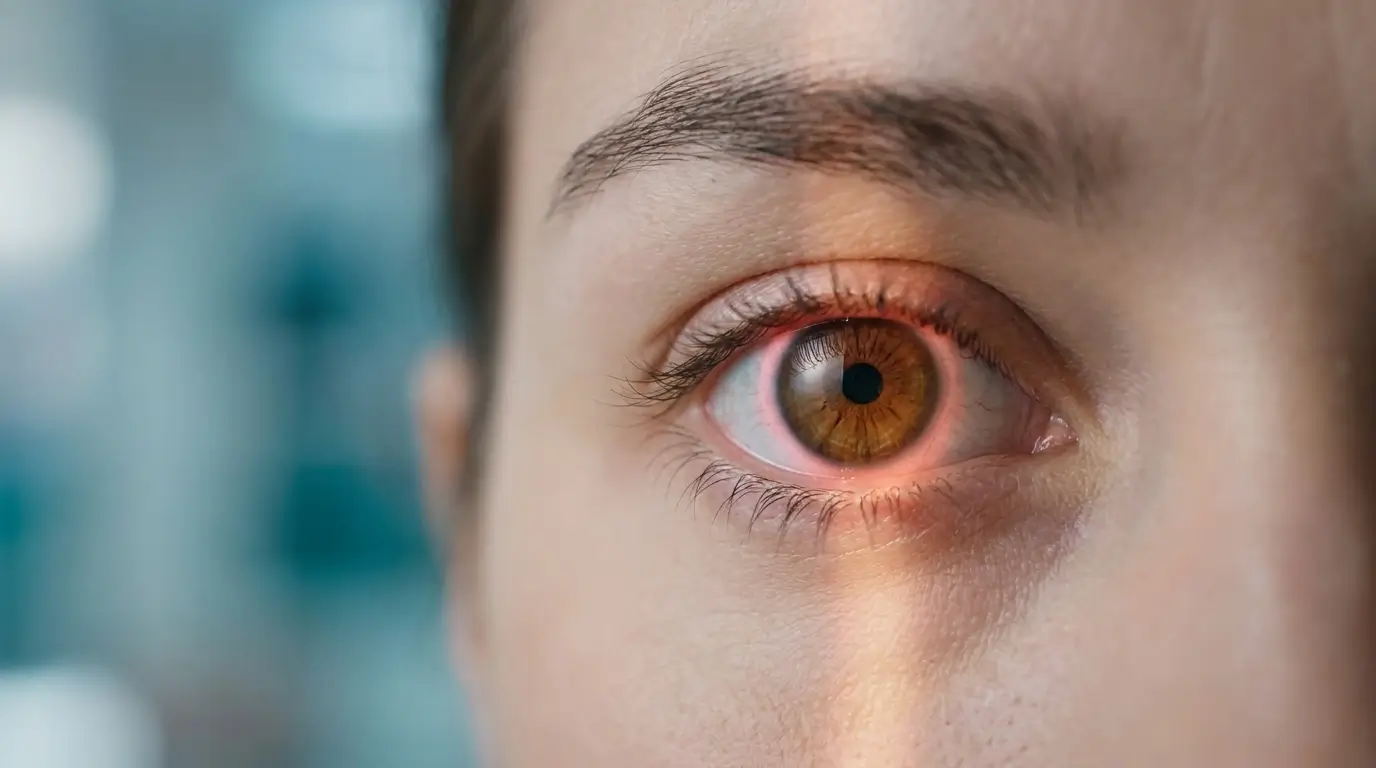
Overview
Eye inflammation, most often called uveitis, is a condition that should never be ignored. It can cause redness, pain, discomfort in bright light and blurred vision. Left untreated it can lead to permanent sight loss. This guide explains what uveitis is, the different types, what causes it and how it is treated.

Dr Bobby Cheng
Senior Consultant Ophthalmologist & Retina Specialist
With extensive fellowship training and decades of clinical experience, Dr Bobby Cheng specialises in complex retinal diseases, ocular inflammation, and comprehensive eye care at Cornerstone Eye & Retina Centre in Singapore.
What Is Uveitis?
Uveitis is inflammation inside the eye. It affects the middle layer of the eye (called the uvea). This layer is made up of the iris, the ciliary body and the choroid. When it gets inflamed, nearby parts of the eye can be affected too, such as the retina and the optic nerve.
Uveitis can come on suddenly as a one off or it can keep coming back over time. Either way, if the inflammation is not controlled it can harm the delicate parts of the eye. Getting it treated early is the best way to protect your sight.
The Types of Uveitis
Uveitis is grouped by which part of the eye is inflamed. Knowing the type helps guide treatment.
Signs to Watch For
Uveitis can affect one or both eyes. The signs may come on quickly or slowly. Common ones include:
- Redness and pain in the eye
- Discomfort in bright light (called photophobia)
- Blurred or reduced vision
- New floaters or spots in your sight
- A headache or deep ache around the eye
Sudden vision changes or bad eye pain need urgent care. See an eye doctor straight away.
What Causes Uveitis?
Uveitis can be set off by a range of things. Sometimes it is the first sign of a health problem elsewhere in the body. Common causes include:
- Immune system problems: Such as rheumatoid arthritis or lupus, where the body's defences attack its own tissue.
- Infections: Some viruses, bacteria and other bugs can trigger it.
- Eye injury: A knock or injury to the eye can cause inflammation.
- Other health conditions: Some conditions that affect the whole body can also involve the eyes.
- Unknown cause: In many cases no clear cause is found. These are still treated with the same care.
How Is Uveitis Diagnosed?
Finding the type and cause helps plan the right treatment. A check usually includes:
- A full eye exam: Checking your sight, your eye pressure and a close look at the eye under a microscope.
- An OCT scan: A gentle, painless scan that looks for swelling or damage at the back of the eye.
- Eye photos and dye tests: To check the inflammation and the blood vessels.
- Blood tests: These may be done if a body wide or infection cause is suspected.
How Is Uveitis Treated?
Treatment depends on the type, how bad it is and whether there is an underlying cause. The aims are to calm the inflammation quickly, protect the eye and lower the risk of lasting problems.
Steroids
Steroids are usually the first treatment, as they calm inflammation fast. They can be given as:
- Eye drops: Often used for inflammation at the front of the eye.
- Injections around or into the eye: To send a stronger dose right to the inflamed area.
- Tablets: For more serious inflammation, or when it affects the back of the eye.
Medicines That Calm the Immune System
For uveitis that keeps coming back or is linked to an immune problem, extra medicine may be needed. These help control the inflammation and reduce the need for long term steroids. They are usually given together with a specialist in immune conditions (a rheumatologist).
Slow-Release Steroid Implant
In some cases a tiny steroid implant (such as Ozurdex) is placed inside the eye. It releases medicine slowly over several months. This helps control inflammation that keeps returning, with fewer injections.
Treating Infections
If an infection is the cause, medicine is given to target that specific bug. Anti-inflammatory treatment is often given alongside to protect your sight.
Managing Other Problems
Long lasting uveitis can lead to other eye conditions, such as glaucoma (high eye pressure), cataract (a cloudy lens) or swelling at the centre of the retina. Dr Bobby Cheng will treat these as needed, so they do not affect your vision.
Regular Check-Ups
Uveitis can come back or change over time. So regular follow up is important. Eye checks, scans and a look at your general health let treatment be adjusted when needed. Regular monitoring helps catch any return early and protect your sight.
What Happens if Uveitis Is Not Treated?
Without treatment, uveitis can cause serious and sometimes permanent damage, including:
- Cataract: A cloudy lens.
- Glaucoma: High eye pressure that can damage the optic nerve.
- Swelling at the centre of the retina: This blurs your fine, detailed vision.
- Scarring of the retina: Lasting damage that reduces sight.
- Repeated flare-ups: Each one raises the risk of further problems.
Treating it early is the best way to prevent these problems and protect your sight.
Protecting Your Sight
Uveitis and eye inflammation can be treated, but they need prompt, expert care to prevent lasting harm. If you notice redness, pain, discomfort in bright light or blurred vision, do not wait. Book a consultation with Dr Bobby Cheng to have your symptoms checked and to talk through the best treatment for you.
Take Control of Your Eye Health Today
Don't ignore the signs of eye inflammation. Secure your vision by scheduling a comprehensive assessment with our specialists.
Frequently Asked Questions
Is uveitis curable?
It cannot always be cured for good, especially when it is linked to a long term condition. But most cases can be well controlled with the right treatment. This reduces flare-ups and protects your vision.
Can uveitis cause blindness?
If it is not treated, uveitis can lead to problems like glaucoma, cataract and retinal damage, which can harm sight. Early diagnosis and steady treatment greatly lower this risk.
Will I need treatment for a long time?
It depends. Some people have one episode that clears with a short course of treatment. Others have uveitis that keeps coming back and needs ongoing care and check-ups.
Can lifestyle changes help?
Lifestyle changes alone cannot treat uveitis. But staying healthy supports better results. Managing any immune conditions, eating well, not smoking and going for regular eye checks all help.