


Overview
The retina is the thin layer at the back of your eye that lets you see. Sometimes it can come loose and "peel away" from the wall of the eye. This is called a retinal detachment. It is an eye emergency. If it is not treated quickly it can lead to permanent loss of sight. This guide explains it in simple terms. It covers how it happens, the different operations used to fix it, whether it hurts and what recovery is like.

Dr Bobby Cheng
Senior Consultant Ophthalmologist & Retina Specialist
With extensive fellowship training and decades of clinical experience, Dr Bobby Cheng specialises in complex vitreoretinal surgeries, retinal detachment repairs, and comprehensive eye care at Cornerstone Eye & Retina Centre in Singapore.
Introduction
An eye problem can be frightening, especially when it happens suddenly. This guide is here to help you understand what is going on and what can be done.
Think of the retina like the film inside an old camera. It catches light and sends the picture to your brain. If the retina tears or lifts away your sight is at risk. Warning signs can come on quickly. You may notice:
- Many new floaters (little dots, lines or cobwebs drifting across your sight)
- Flashes of light, like tiny lightning
- A dark shadow or "curtain" covering part of what you see
If this happens, see an eye doctor straight away. The sooner it is treated, the better the chance of saving your sight.
Tear or Detachment? Why It Matters
Inside your eye there is a clear jelly (called the vitreous). As we get older this jelly slowly shrinks and pulls away from the retina. This is normal. But sometimes the pulling is strong enough to make a small tear in the retina.
A tear is an early problem. The retina is still in place. At this stage the doctor can often seal the tear in the clinic. This is done using a laser treatment (called laser photocoagulation) or a freezing treatment (called cryotherapy). Both make a tiny "spot weld" around the tear to hold it shut. This is quick and does not need an operation.
A detachment is more serious. If fluid leaks through the tear it lifts the retina off the back of the eye. Once this happens a laser is not enough. An operation is needed to put the retina back and hold it in place.
The Main Types of Surgery
There is more than one way to fix a detached retina. The right one depends on how big the detachment is, where it is, how difficult it is, and your age. Before deciding, Dr Bobby Cheng takes special scans and photos of the back of your eye to choose the safest option for you. Here are the three main operations in simple terms.
Vitrectomy
This is the most common operation, used for larger or more difficult detachments. Tiny openings are made in the white of the eye. The jelly pulling on the retina is gently removed. The retina is smoothed back flat. A laser then seals the tear. Finally a gas bubble (called a gas tamponade) or, in harder cases, silicone oil is placed inside the eye. This acts like a soft cushion, holding the retina in place while it heals.
Scleral Buckle
This is often used for younger patients and simpler tears. A soft silicone band is placed around the outside of the eye. It gently presses the wall inwards. This eases the pull on the retina so it can settle back into place. A laser or freezing treatment seals the tear. The band stays in permanently. It cannot be seen or felt once healed.
Pneumatic Retinopexy
This is used for simpler detachments with one small tear. A gas bubble is placed in the eye, along with laser. The bubble presses the tear shut while it heals.
In some cases the doctor may combine two of these to give the best support for a complex detachment.
More About the Scleral Buckle
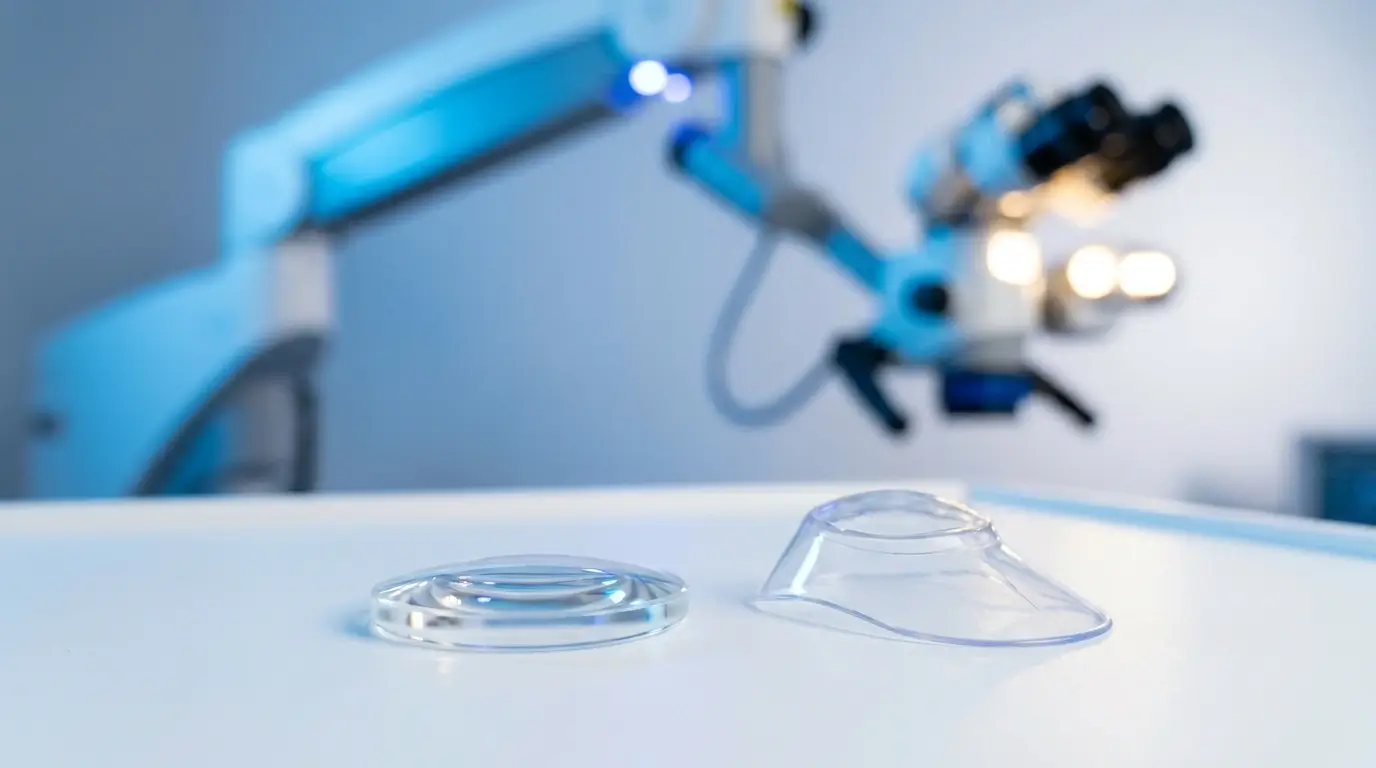
The scleral buckle is a soft silicone band placed around the outer wall of the eye (called the sclera). Because it is made of a gentle, body friendly material, the eye tolerates it well. It does not cause allergy or rejection.
Does it stay in forever? For most people, yes. The band stays in place permanently. It gives gentle, lasting support and lowers the chance of the retina detaching again. It is hidden under the eyelids and cannot be seen by others. It is only removed in rare cases, such as an infection or lasting discomfort.
Will it change my glasses prescription? It can. The band slightly changes the shape of the eye. This may make you a little more short sighted (myopia) or cause some astigmatism. Once the eye has healed, your optometrist can update your glasses to give you clear vision again.
Does the Operation Hurt?
No. The operation is done in a day surgery centre. You will either be fully asleep, or awake with the eye completely numbed. You will not feel pain during the surgery.
Afterwards, as the numbing wears off, it is normal to feel mild soreness, a scratchy feeling like an eyelash in the eye, or some tightness. This comes from the small cuts and the work done on the eye. It is well managed with prescribed eye drops and simple painkillers. For most people the soreness settles within a few days.
Getting Ready for Surgery
Before the operation the doctor will do some checks. These include measuring the pressure in your eye, mapping how much of the retina has come loose and going through your general health. Please tell the doctor if you take any blood thinning medicine (such as aspirin or warfarin). Also tell them if you have diabetes or high blood pressure. Any changes needed can be sorted out before the day.
On the day you will be given eye drops to widen the pupil and numbing drops so you feel no pain. As it is day surgery you can go home the same day. Please bring a family member or helper with you, as your sight will be blurry and you should not drive.
Recovery: Looking After Your Eye
Healing takes time and patience. Following the doctor's instructions carefully makes a big difference.
If a gas bubble was put in your eye you may be asked to keep your head facing down for several hours a day. This may feel tiring but it is important. It keeps the bubble pressing on the tear so it can heal. Many patients rent a special chair or pillow to make this more comfortable at home.
Very important: Do not fly, dive or travel up to high places while the gas bubble is still in your eye. The change in air pressure can make the bubble swell and cause serious harm. Wait until the doctor tells you it is safe. If your surgery used only a scleral buckle and no gas bubble, flying is usually safe once the doctor confirms you have healed.
You will also be given eye drops to prevent infection and reduce swelling. Use them exactly as told. For the first two to three weeks, avoid heavy lifting, hard exercise and swimming. Keep tap water and soap out of the eye while showering.
Your sight comes back slowly over several weeks to months. At first your vision may look wavy or cloudy, especially while a bubble is still there. This is normal. Regular check ups let Dr Bobby Cheng follow your healing and check that all is well.
Protecting Your Sight Long Term
Once the retina is repaired, ongoing care matters. Regular checks with Dr Bobby Cheng help keep both eyes healthy. Watch out for warning signs in either eye, such as sudden floaters, flashes or a shadow. A yearly eye check helps catch new weak spots or tears early, before they can cause another detachment.
Your Path to Clearer Vision
A retinal detachment is serious but there is good news. With quick treatment, sight can often be saved. Spotting the signs early and seeing a specialist soon gives you the best chance.
If you notice new floaters, flashes of light or a shadow over your sight, do not wait. Book an urgent appointment with Dr Bobby Cheng today.
Take Immediate Action for Your Eye Health
Don't ignore the warning signs of a retinal detachment. Secure your vision by scheduling a comprehensive and urgent assessment with our specialist.
Frequently Asked Questions
What are the first signs of a retinal detachment?
Look out for a sudden burst of new floaters (dots or cobwebs in your sight), flashes of light in one eye, or a dark shadow coming across your vision like a curtain. If you notice these, see an eye doctor urgently.
Will the operation hurt?
No. Your eye is fully numbed and you will not feel pain during the operation. Afterwards any soreness is usually mild. It can be eased with eye drops and simple painkillers.
Will I be able to feel or see the scleral buckle?
No. The band sits around the outside of the eye, under the eyelids. It cannot be seen by others and does not cause a foreign body feeling once the eye has healed.
How long does it take to recover?
The first healing stage takes about two to four weeks. During this time you must rest and avoid heavy activity. Your sight may keep improving for one to three months, or longer. How much vision comes back depends partly on whether the very centre of your sight (called the macula) was affected before surgery.
Can I fly after the operation?
Not if you have a gas bubble in your eye. Flying is not allowed until the bubble has fully gone, as the change in air pressure can be very dangerous. If only a scleral buckle was used, flying is usually safe once the doctor confirms you have healed. Always wait for the doctor to say it is safe.
What warning signs should I watch for after surgery?
Contact the clinic at once if you have worsening eye pain, a sudden drop in vision, increasing redness with discharge, or a return of flashes and shadows. These can be signs of infection, raised eye pressure or a new tear that needs prompt care.
Will MediSave or insurance help pay for it?
Yes. This surgery is treated as medically necessary in Singapore. It can usually be claimed under MediSave. It is also covered by most Integrated Shield Plans and company insurance, depending on your policy.